Basketball has changed more in the last fifteen years than in the forty before them. The game your kids are growing into is faster, more skilled, and more spaced out than the one most parents played — and training that ignores that is preparing players for a game that no longer exists. Here are the seven trends reshaping basketball right now, and what each one means for a young player's development.
1. Pace and Space Is the Default
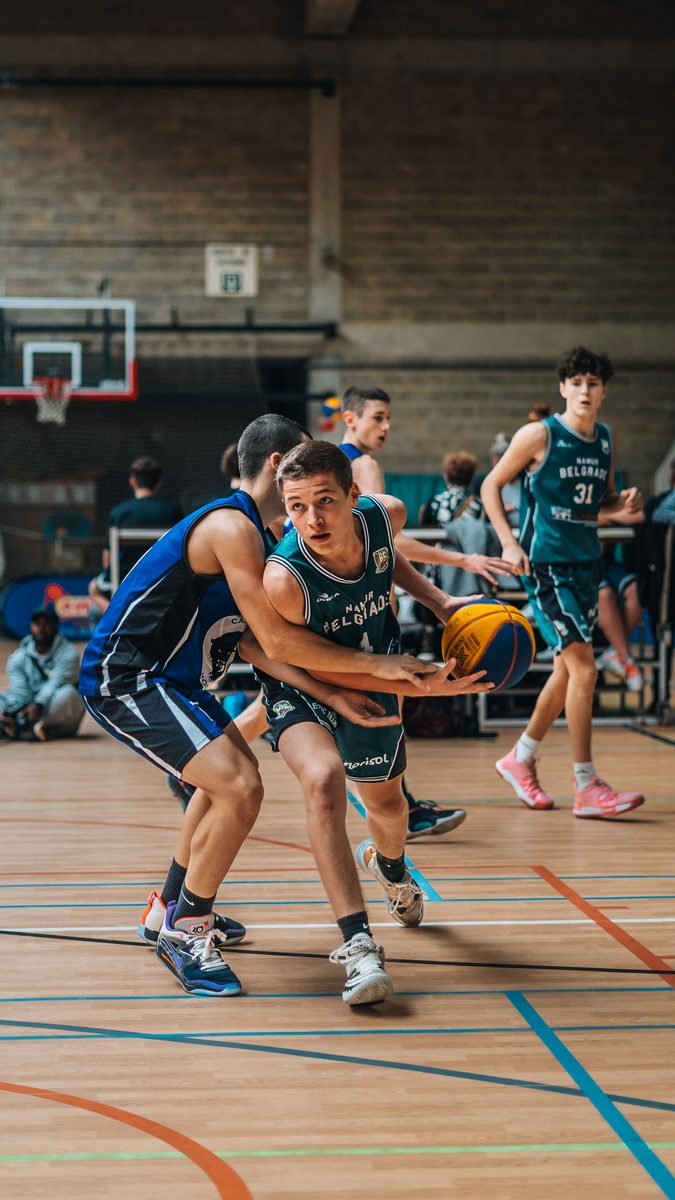
Teams at every level push the ball and spread the floor. Four or five players stand outside the three-point line, the paint stays open, and the game becomes a series of drives, kicks, and closeouts. What it means for training: every player needs to catch, shoot, drive, and pass from the perimeter — no matter their size. Standing under the basket waiting for rebounds is a role that barely exists anymore.
2. The Three-Point Revolution
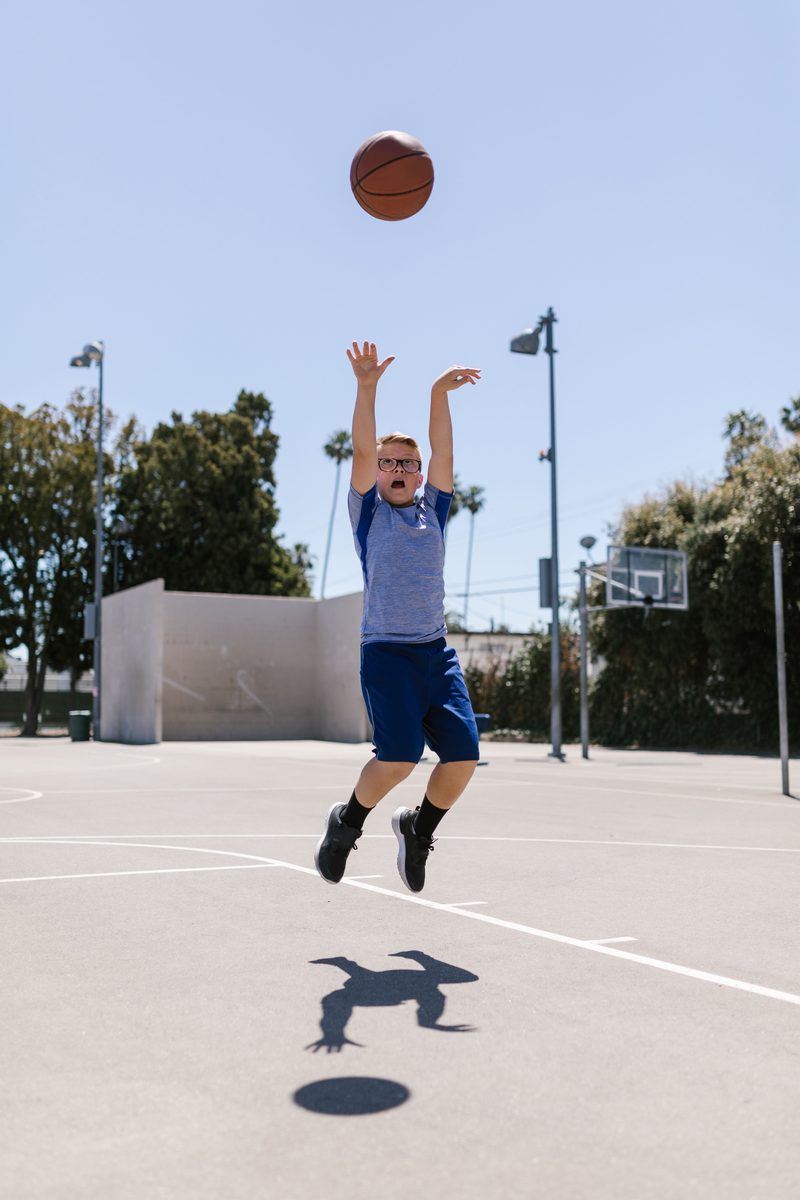
The math is undeniable: a 35% three-point shooter scores more per shot than a 50% two-point shooter. So offenses hunt threes and layups, and the mid-range game has shrunk to a specialist's tool. What it means for training: shooting is the most valuable skill in basketball, full stop. Young players need real shooting mechanics early — before bad habits harden — plus range that grows with their strength. It is why shooting is a pillar of every Craft Masters session.
3. Positionless Basketball
Forwards initiate the offense. Centers shoot threes. Guards post up smaller defenders. The old five positions are dissolving into roles any skilled player can fill — the subject of our deep dive on positionless basketball. What it means for training: never let a young player be "just a center" or "just a point guard." Big kids need handles; small kids need finishing and post footwork. Versatility is the new height.
4. Skill Development Over "Just Play"
The best young players today are built in training gyms as much as in games. Deliberate, coached skill work — footwork, finishing packages, shooting off the move — develops players faster than endless unstructured games, where a kid might touch the ball ten times in an hour. What it means for training: balance matters. Games teach decisions and toughness; training builds the tools. Players need both, on purpose — like a structured daily workout plus real competition.
5. Shot Selection and Analytics
Players now grow up knowing the value of a shot: rim attempts and free throws are gold, corner threes are gold, long two-pointers are the worst shot in basketball. Even youth coaches chart shots. What it means for training: basketball IQ includes math. Teach young players which shots to hunt — layups, floaters in the paint, open threes — and which to pass up, and their efficiency jumps without any new moves at all.
6. The Separation Moves Era
With defenders more athletic than ever, creating space is its own skill category: the step-back, the side-step, the hesitation, the snatch-back. Modern guards train separation like previous generations trained post moves. What it means for training: a young scorer needs at least one reliable way to create space, built on balance and footwork — not on traveling or pushing off.
7. Athleticism Is Trained, Not Just Born
Speed, vertical, and lateral quickness respond to training — and injury prevention (landing mechanics, strength, mobility) is now part of serious youth development, not an afterthought. What it means for training: conditioning and movement quality belong in basketball training from the start. Our sessions build strength, speed, and stamina into the skill work itself, so players finish games as strong as they started them.
What Has NOT Changed
For all the evolution, the foundations still rule: effort on defense, rebounding, unselfish passing, and competing every possession. Trends change how the game is played; character decides who gets to play it. The goal at Craft Masters Training is a player built for the modern game on old-school foundations — skilled, versatile, and relentless.
Train for the Game That Exists
Your child is not preparing for 1995 basketball. Train for pace, space, shooting, and versatility — with defense and effort underneath it all. That is the Craft Masters formula in New Rochelle, NY. Book a session and let's build a modern game the right way.