The crossover is the first real "move" most young players want — and the one defenders fear when it is done right. A great crossover is not about speed or fancy handles. It is about selling one direction, then exploding the other way before the defender can react. This guide breaks down the crossover the way we teach it at Craft Masters Training in New Rochelle: the footwork, the setup, the mistakes that get it stolen, and the drills that make it game-ready.
What a Crossover Actually Is
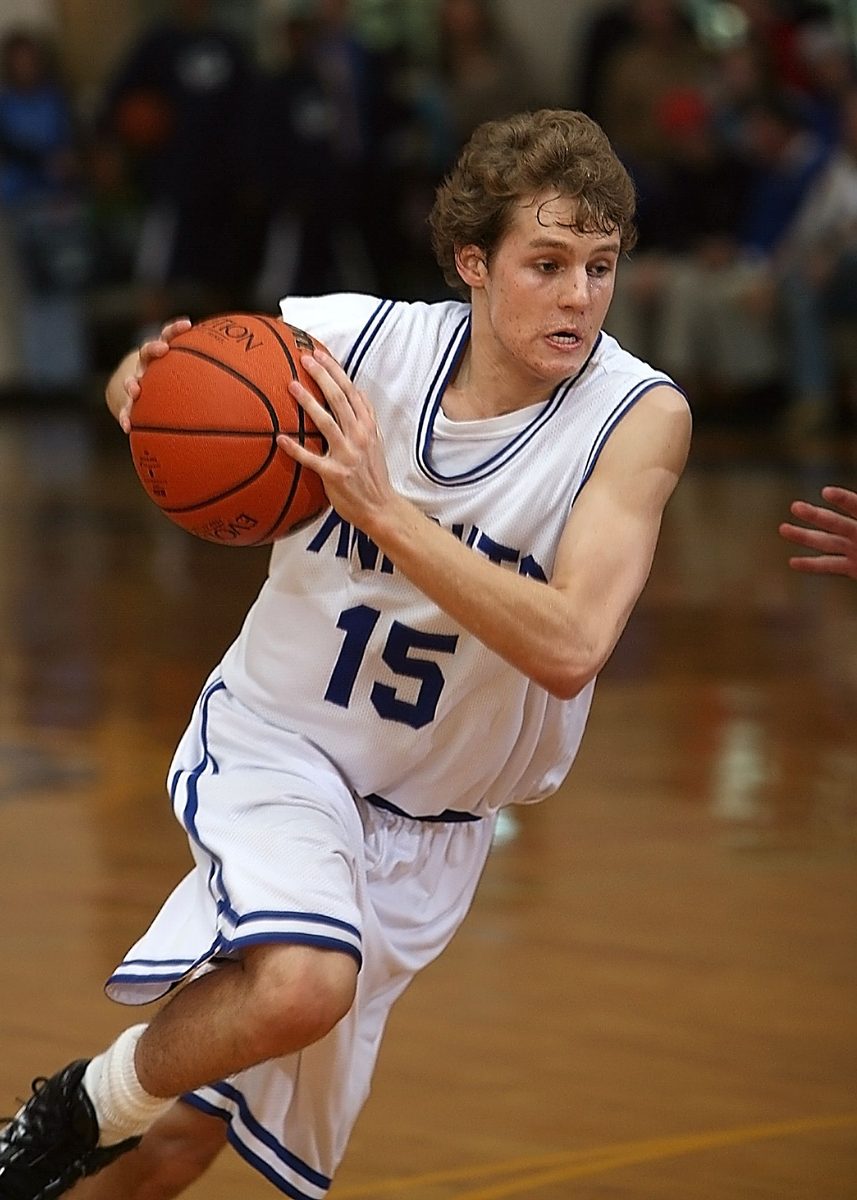
A crossover is a change of direction where the ball crosses in front of your body from one hand to the other, paired with a hard step (or fake step) in the direction you are leaving. The ball is only half the move. Your head, shoulders, hips, and feet sell the fake — the defender reads your body, not the ball. When your body says "right" and the ball snaps left, the defender's weight shifts the wrong way, and you are gone.
The Footwork, Step by Step
- Approach under control. Dribble at the defender with your head up, ball protected on your outside hip. Come in at about 70% speed — you need room to accelerate after the move.
- Sell the first direction. Take a hard jab step toward your dribble side and drop your shoulder like you are driving that way. Make the defender believe it.
- Cross the ball low and tight. Snap the ball across your body below knee height, close to your frame. A high, wide crossover is a steal waiting to happen.
- Push off the outside foot. As the ball crosses, explode off the foot on the side you faked toward. Your first step out of the move should be long and low, shoulder past the defender's hip.
- Protect and go. Your first dribble in the new direction stays on your outside hip, body between the defender and the ball. Then attack the space — straight line to the rim or into your step-back or floater.
Footwork First: The Kobe Fundamentals
Every move in this blog stands on the footwork Kobe Bryant built his game on — and it is the first thing we teach at Craft Masters, because a move with bad feet is already broken before it starts. The base never changes: feet shoulder width, knees bent, weight on the balls of the feet, chest up, eyes up.
- Triple threat. On every catch, square up to the basket, ball protected at your hip, one pivot foot established. From triple threat you can shoot, pass, or drive — the defender has to respect all three. Catch and face up, every time.
- The jab step is a question. A short, hard step — six to eight inches — with the non-pivot foot, sold with your shoulders and eyes at real drive speed. Then read the answer in the defender's feet: they back up, the jumper is open; they lunge, drive by them; they hold, jab again or pivot.
- Pivots both ways, off both feet. The pivot foot turns in place but never slides or re-plants. The front pivot keeps the defender in front of you; the reverse pivot seals them on your back — the heartbeat of Kobe's post game, and the setup for his fadeaway.
- Foot replacement. After a jab or pivot, the free foot returns to the same balanced spot it left. Feet replace; they do not wander. That one habit keeps you shot-ready after every move.
- Balance is the finish. Every move ends the way it started — on two feet, able to stop, shoot, pass, or pivot again. Kobe drilled stopping as hard as starting. A player falling out of his moves cannot shoot them in a game.
Your crossover lives downstream of all five. Master the jab and the reads, and the crossover stops being a trick and starts being a decision.
The Setup Is the Move
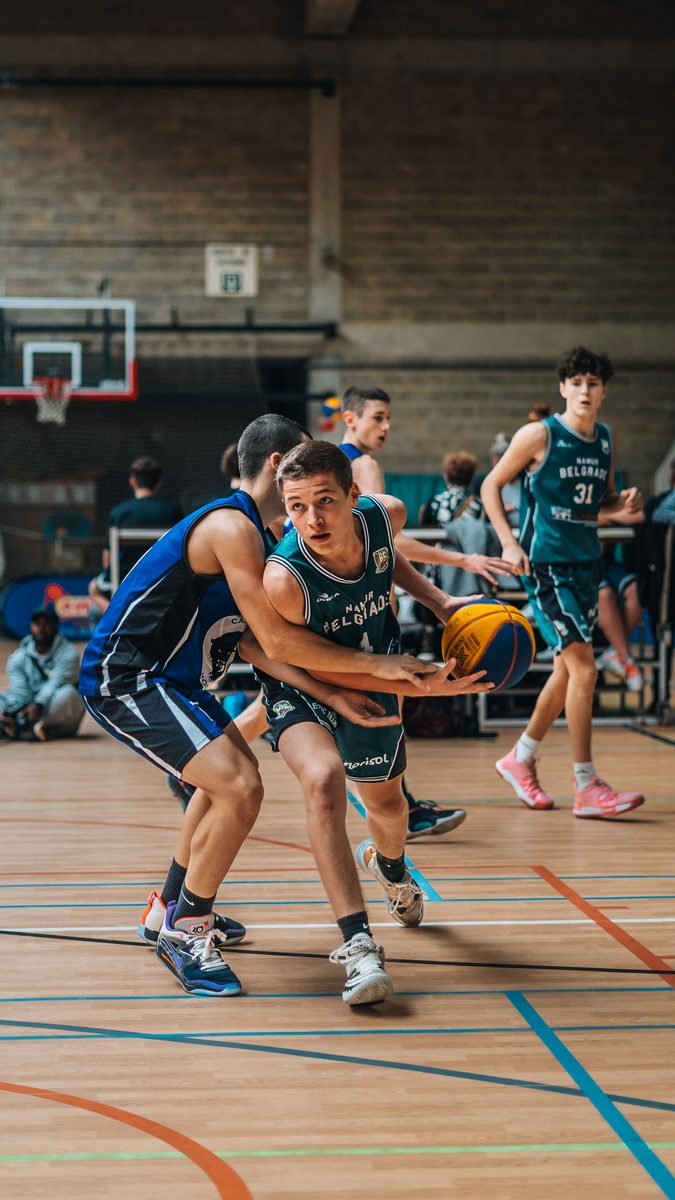
Here is what separates a practice crossover from a game crossover: the setup. A crossover thrown at a set defender who is balanced rarely works. The best ball handlers set it up first — a hesitation dribble to freeze the defender, a jab step to shift their weight, or one hard dribble right at them so they backpedal. When a defender is moving, leaning, or guessing, the crossover does the rest. In our training sessions we teach players to read the defender's feet: if the top foot is forward, cross away from it; if the defender is square and reaching, cross under their hand.
5 Crossover Mistakes That Get Young Players Stripped
- Crossing too high. The ball should cross below the knees. Waist-high crosses get tipped and stolen.
- Crossing too wide. The further the ball travels from your body, the longer it is unprotected.
- Staring at the ball. Eyes down means you cannot see the help defender. Head up, always.
- No fake. Crossing without selling the first direction is just changing hands — defenders do not move.
- Standing tall. A crossover from a tall stance is slow. Get low, hips down, like sitting in a chair.
3 Drills to Build a Game-Ready Crossover
1. Stationary Cross Series (2 minutes daily)
Feet shoulder-width, low stance. 20 crossovers in front, 20 through the legs, 20 behind the back — all below the knees, eyes up at a target on the wall. This is part of our 15-minute daily ball-handling workout.
2. Cone Attack (5 minutes)
Place a cone (or chair) at the top of the key. Dribble at it full speed, sell the jab, cross, and finish with a layup. Alternate sides. The cone does not move — but your fake has to be real enough to move it.
3. 1-on-1 Closeout Cross (game speed)
A defender closes out from the baseline. The offensive player gets one crossover to score. This teaches timing against a moving defender — the exact read a game demands.
Building Counters: What Comes After the Crossover
Once your crossover works, good defenders adjust — and that is when counters take over. If the defender cuts off your cross, spin back or go behind the back the other way. If they sag off expecting the drive, pull up for the jumper. If they overplay everything, the Euro step finishes the drive at the rim. A move is never the whole answer; a move plus a counter is a system. That is exactly how we build skills at Craft Masters: one piece at a time, then stack them.
The Bottom Line
Sell the fake with your whole body, cross low and tight, and explode out of it. Reps build the handle, but reads win games — learn to watch the defender's feet and hips, and your crossover becomes a weapon instead of a trick. Want a coach's eyes on your footwork? Book a session with Coach Elliott in New Rochelle and we will build your crossover the right way.